
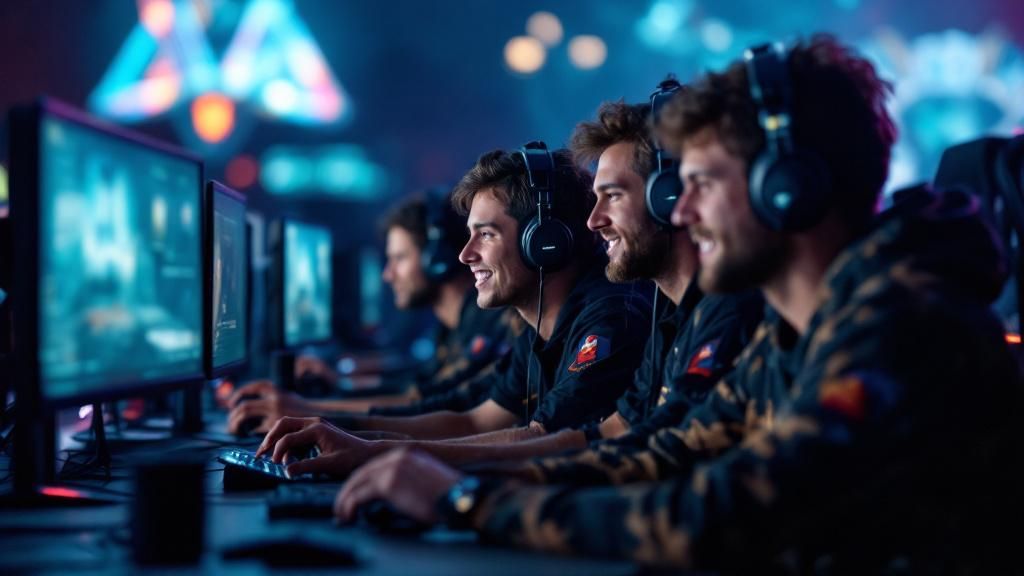
In an ever more connected world, gaming on mobile devices has gone beyond simple entertainment to become a significant driver for authentic interpersonal bonds. Tournament competition across gaming platforms like PUBG Mobile and Call of Duty: Mobile has fostered thriving global communities where gamers build lasting friendships whilst competing for dominance. This piece explores how competitive gaming tournaments bring people together across continents, investigating the psychological bonds created by common interest, collaborative teamwork, and the universal language of competitive play that transforms casual gamers into lifelong companions.
The Growth of Mobile Gaming Groups
The widespread growth of smartphones and improved internet connectivity has reshaped the gaming landscape, permitting millions of players worldwide to participate in competitive multiplayer experiences from virtually anywhere. What commenced as simple casual gaming has evolved into a advanced ecosystem of structured communities, professional tournaments, and specialised platforms. Mobile gaming communities have grown exponentially, with titles such as PUBG Mobile, Clash Royale, and Call of Duty: Mobile drawing hundreds of millions of active players. This unprecedented scale has generated unparalleled opportunities for social interaction and competitive engagement on a international level.
These flourishing communities have substantially altered how gamers engage and form relationships. Rather than solitary gameplay, mobile gaming now enables interconnected networks where players from varied geographic and cultural backgrounds gather around shared interests. Competitive formats, ranking boards, and tiered progression have established formal play, setting out clear pathways for advancement and recognition. The availability of mobile devices has democratised competitive gaming, removing traditional barriers to entry and enabling emerging players to demonstrate their skills internationally. Consequently, friendships forged within these communities often go beyond virtual spaces, becoming genuine real-world friendships.
Developing Long-term Friendships By Way of Competition
Competitive tournament play acts as a significant catalyst for building authentic bonds amongst mobile gamers worldwide. When players compete alongside one another in formal tournament events, they experience shared triumphs and defeats that establish profound emotional bonds. These experiences go beyond geographical limits, allowing individuals from different cultural backgrounds to understand each other fundamentally. The intensity of competitive gaming cultivates mutual respect and understanding between participants, turning fellow competitors into trusted teammates and lasting friendships who mark triumphs as one and help each other through challenges.
The collaborative nature of squad competitions amplifies social bonding exponentially. Players must maintain strong dialogue, develop strategies collectively, and depend on each other’s abilities and knowledge. This shared dependence cultivates trust and camaraderie that reaches far further than individual matches. Squad members create shared humour, shared memories, and community connection within their gaming networks. The frequent engagement required for tournament preparation strengthens these bonds progressively, creating community ties that provide emotional support, gaming companionship, and authentic bonds that many participants value as highly as their offline relationships.
Tournament victories and defeats alike play a significant role to developing friendships. Recognising successes together reinforces team unity, whilst handling setbacks together develops emotional strength and understanding. Players come to value each other’s strengths, work around limitations, and operate in harmony towards common objectives. These shared experiences build a solid foundation for enduring bonds that often flourish across multiple gaming titles and expand to broader life interactions, illustrating competition’s unique ability to unite people authentically.
Global Competitive Formats and Competitive Gaming
The structure of competitive mobile gaming has evolved dramatically over the last ten years, creating advanced structural systems that enable competitive play on an never-before-seen worldwide level. Major esports organisations and game developers have invested substantially in creating formalised league structures, geographical selection tournaments, and worldwide tournaments that support vast numbers of competitors globally. These tournaments operate across various levels, from local amateur events to professionally sanctioned events delivering considerable prize money. The consistent rule sets guarantee impartial contests whilst enabling players from diverse geographical locations to face each other, building a sense of belonging within the broader gaming ecosystem and proving that skill transcends national and cultural divides.
Competitive tournament formats have become crucial in creating clear advancement routes for would-be professional players and informal participants alike. Ranked seasons, ladder systems, and performance-driven progression systems promote continuous engagement and personal improvement amongst players. The transparent nature of competitive play—where performance metrics are shown to everyone and achievements are widely acknowledged—creates an atmosphere of meritocracy that attracts players seeking validation and recognition. Furthermore, the integration of live streaming platforms and viewing features has revolutionised mobile gaming tournaments into shared experiences, enabling millions of observers to watch thrilling matches whilst simultaneously strengthening the bonds between players and fans who celebrate victories and commiserate defeats together.
The Community Effects of Structured Gaming Competitions
Organised gaming events have fundamentally transformed how players perceive competition and community engagement. These competitive events serve as facilitators of meaningful interactions, transcending geographical boundaries and cultural differences. When players participate on a global stage, they experience a common sense of mission that deepens relationships amongst participants. The organised framework of organised tournaments creates opportunities for players to showcase their skills whilst simultaneously earning recognition from competitors. This context fosters genuine friendships that frequently reach beyond the esports environment into daily existence, illustrating how organised tournaments function as significant community bridges in the modern era.
The widespread consequences of these competitive tournaments permeate whole regions, motivating emerging talent and establishing role models within the professional gaming environment. Professional tournaments broadcast worldwide demonstrate that gaming holds genuine cultural value, inspiring players to engage deeply in their social circles. Players regularly indicate that tournament participation has strengthened their interpersonal abilities and teamwork capacity with people from different backgrounds. Furthermore, the commercial support and press attention surrounding major events legitimise gaming as a authentic cultural practice, inspiring relatives and peers to back professional competitors. This validation reshapes individual gaming pursuits into celebrated cultural phenomena that deepen connections across nations.
